
Longnose Corydora
$30.00
In stock, ready to ship
Free in-store pickup
Ready to collect at our Melbourne store
Quarantined & health-checked
Every fish passes through our dedicated quarantine system and strict biosecurity monitoring before sale - so it arrives healthy, settled and ready to thrive. How we quarantine →
- Arrive Alive guarantee
- Hand-selected in Melbourne
- Secure checkout
- Expert local advice
Description
Biosecurity Shipping Limitations apply
Shipping Allowed?
| Tasmania | NO |
| Western Australia | NO |
| Northern Territory | NO |
| All Other States | YES |
About Longnose Corydora
Longnose Corydoras are peaceful bottom-dwelling catfish recognised by their elongated snout, barbels and active foraging behaviour. They are an excellent choice for planted community aquariums and make a great addition to aquariums with open areas of sand or fine substrate.
Like other Corydoras, Longnose Corydoras are social fish and should be kept in groups. A group allows them to display their natural behaviours, including exploring the substrate together, resting amongst plants and actively searching for food.
A fine sand or smooth substrate is particularly important. Their barbels are sensitive and can become damaged by sharp or abrasive gravel.
Longnose Corydoras are peaceful and generally compatible with other non-aggressive community fish. They appreciate planted aquariums, driftwood, shaded areas and gentle water movement, while still requiring open substrate for foraging.
They are omnivores and should be offered sinking foods specifically intended for bottom-dwelling fish, supplemented with frozen or live foods for variety.
Quick Care Guide
Scientific Name: Corydoras spp.
Common Name: Longnose Corydora / Long-Nosed Cory
Type: Freshwater Bottom-Dwelling Catfish
Adult Size: Approximately 6–7 cm, depending on species
Temperament: Peaceful
Care Level: Easy to Intermediate
Minimum Group: 6+
Temperature: 22–27°C
pH: 6.0–7.5
Water Hardness: Soft to Moderately Hard
Diet: Omnivore
Tank Level: Bottom
Suitable For: Community aquariums, planted tanks, shrimp-compatible setups and freshwater aquascapes
Frequently Asked Questions
How many Longnose Corydoras should I keep?
Keep them in a group of at least 6, with larger groups generally providing more confidence and encouraging more natural social behaviour.
What substrate is best for Longnose Corydoras?
Fine sand or smooth, rounded substrate is ideal. Avoid sharp gravel that can damage their barbels and underside.
Are Longnose Corydoras peaceful?
Yes. They are peaceful community fish and are compatible with a wide range of similarly peaceful tropical species.
What do Longnose Corydoras eat?
Offer quality sinking pellets or wafers, supplemented with frozen or live foods such as bloodworms, daphnia and brine shrimp. Ensure food reaches the bottom where they can access it.
Can Longnose Corydoras live with shrimp?
Yes. They are generally peaceful and can be kept with adult freshwater shrimp. Very small shrimplets may occasionally be eaten if they encounter them.
Common Mistakes
Keeping too few Corydoras
They are social fish and should be kept in a proper group rather than individually.
Using sharp substrate
Rough or sharp gravel can damage their barbels. Fine sand or smooth substrate is much safer.
Assuming they survive on leftovers
Corydoras need targeted feeding with sinking foods to ensure they receive enough nutrition.
Keeping them in poor water quality
Regular maintenance and good filtration are important for maintaining healthy Corydoras.
Not providing open areas for foraging
Plants and hardscape are beneficial, but leave areas of substrate exposed so they can naturally search for food.
Shipping & delivery
Livestock is dispatched with heat/cool packs and oxygen from our Melbourne facility, timed for the safest transit. Live arrivals may be scheduled for the best shipping window. A live arrival guarantee applies - contact us within the required window if anything is not right.
Returns
We stand behind everything we sell. If something is not right, get in touch and we will make it right. See our returns policy for the details.
Care & quarantine
This fish has been through our dedicated quarantine system and is feeding, settled and health-checked before sale. We still recommend acclimating slowly and quarantining new additions at home. Our team is happy to talk you through the right setup - just ask.
More from Back In Stock
View all →
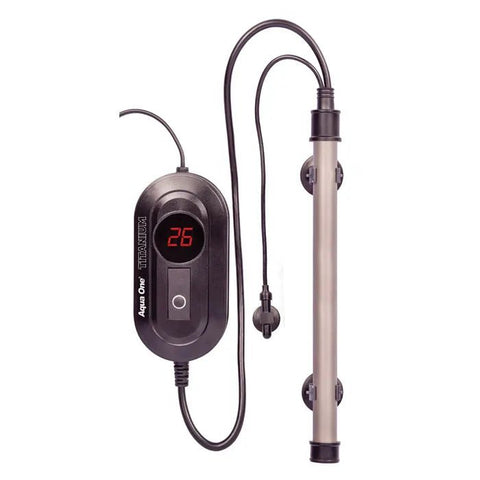
Aqua One Titanium Heater
From $99.00
Choose wattage
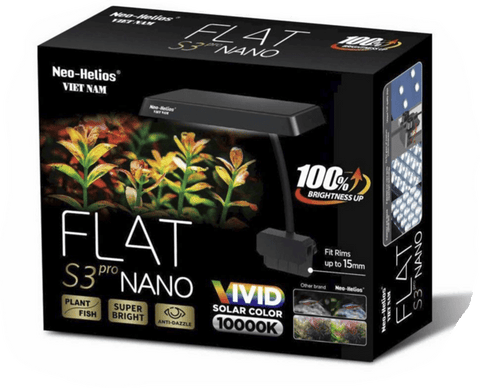
Neo Helios Flat Nano
From $39.95
Choose model
EHEIM Thermocontrol Heater
From $64.95
Choose wattage
Assorted Mystery Snail
$10.00
Choose size