Sale
Sold out
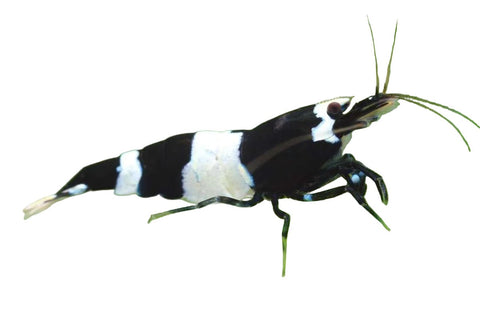
Mixed Galaxy Shrimp
From $12.60
$18.00

| Tasmania | NO |
| Western Australia | NO |
| Northern Territory | NO |
| All Other States | YES |
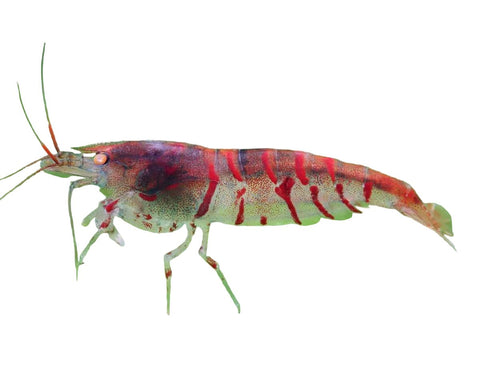
The North Queensland Shrimp (Caridina longirostris), also known in the aquarium trade as the North Queensland Algae Shrimp, is a small, peaceful Australian native freshwater shrimp valued for its constant grazing behaviour and ability to consume algae and biofilm.
Native to tropical freshwater environments in northern Queensland, this attractive little crustacean is particularly suited to planted aquariums, where it spends much of its time exploring aquatic plants, driftwood, rocks and aquarium glass in search of food.
Its slender, semi-transparent body features subtle natural markings and a distinctive elongated rostrum (the pointed extension above the head). Its understated appearance allows it to blend into aquatic vegetation and natural aquarium environments.
Natural Habitat and Behaviour
In the wild, North Queensland Shrimp inhabit freshwater streams and waterways, where they graze across submerged surfaces and feed on naturally occurring algae, microorganisms and organic matter.
They are peaceful, constantly active grazers that spend much of their day picking at surfaces using their specialised feeding appendages. Unlike larger freshwater prawns, they are not predators and pose no threat to healthy aquarium fish or plants.
Their small size and gentle temperament make them particularly useful in planted aquariums, nano tanks and peaceful community setups.
Aquarium Suitability and Compatibility
North Queensland Shrimp are an excellent addition to established freshwater planted aquariums. They are particularly appreciated for their algae-grazing behaviour, helping consume soft algae, diatoms and naturally occurring biofilm.
They are completely plant safe and will not damage healthy aquatic plants. They can be kept alongside other peaceful freshwater shrimp and suitably small community fish.
Suitable tank mates include:
Small rasboras.
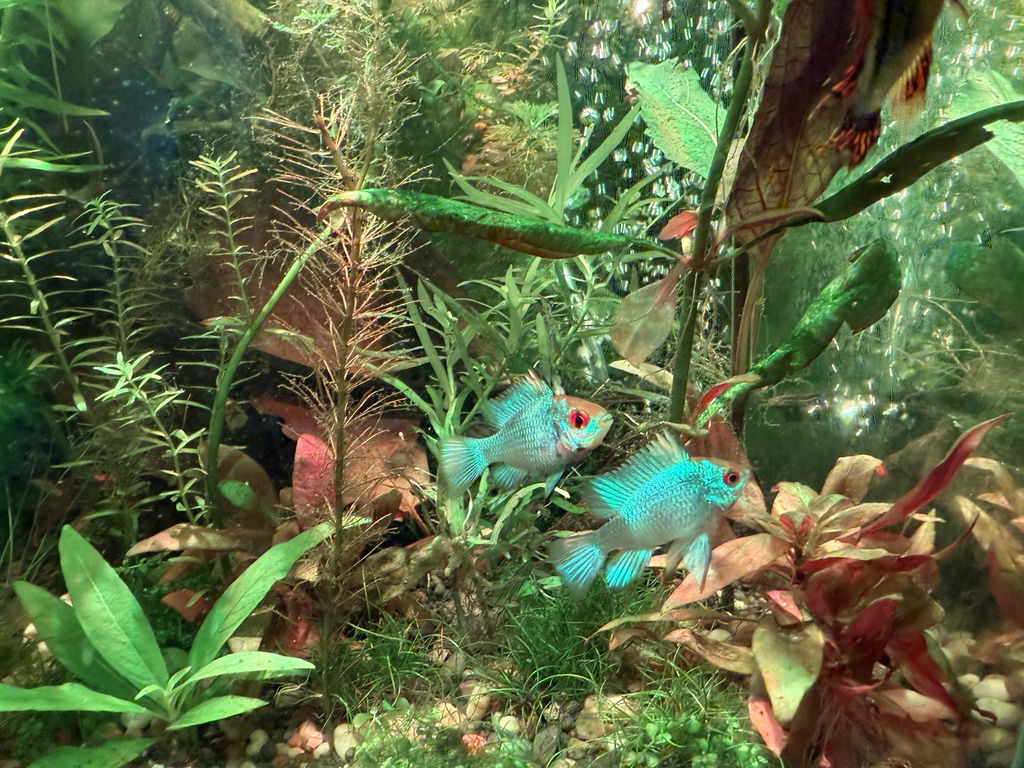
Ember Tetras.
Small peaceful rainbowfish.
Pygmy Corydoras.
Otocinclus Catfish.
Nerite Snails.
Other peaceful freshwater shrimp.
Avoid larger fish, aggressive species, crayfish and predatory bottom dwellers that may consume these small shrimp.
Feeding and Nutrition
North Queensland Shrimp are primarily algae and biofilm grazers. They naturally feed on microorganisms, soft algae and organic material growing on submerged surfaces.
In established aquariums, they will spend much of their time grazing without requiring constant supplementary feeding.
For additional nutrition, offer:
Quality shrimp-specific sinking pellets.
Algae wafers.
Spirulina-based foods.
Blanched zucchini.
Blanched spinach.
Natural biofilm and decaying leaf matter.
Avoid overfeeding, as excess food can quickly compromise water quality, particularly in smaller aquariums.
Aquarium Requirements
A mature, well-established aquarium is ideal for North Queensland Shrimp. They benefit from naturally occurring algae and biofilm, which provide a continuous source of food.
Provide aquatic plants, mosses, driftwood and rocks to create plenty of grazing surfaces and shelter. Gentle to moderate water movement and good oxygenation are beneficial.
Like most freshwater shrimp, they are sensitive to copper-based medications and sudden changes in water chemistry. Always check medication suitability before treating an aquarium containing shrimp.
Their small size, peaceful temperament and useful grazing behaviour make them an excellent addition to planted freshwater aquariums.
Species Information
|
Care Requirement |
Details |
|---|---|
|
Common Name |
North Queensland Shrimp |
|
Alternative Name |
North Queensland Algae Shrimp |
|
Scientific Name |
Caridina longirostris |
|
Family |
Atyidae |
|
Origin |
Tropical North Queensland, Australia |
|
Care Level |
Easy |
|
Adult Size |
Approximately 1–2 cm |
|
Minimum Aquarium |
20 litres |
|
Temperature |
22–28°C |
|
pH |
6.5–7.5 |
|
General Hardness |
4–8 dGH |
|
Diet |
Algae / Biofilm / Omnivore |
|
Temperament |
Peaceful |
|
Swimming Level |
All levels / Surfaces |
|
Reef Compatibility |
Freshwater species |
|
Plant Compatibility |
Completely plant safe |
|
Aquarium Type |
Tropical Freshwater |
|
Social Behaviour |
Group recommended |
|
Lifespan |
Approximately 1–2 years |
Recommended Aquarium Setup
Mature, established planted aquarium.
Plenty of moss, plants and grazing surfaces.
Driftwood and natural decorations.
Gentle to moderate water movement.
Good oxygenation and stable water parameters.
Sponge filtration or protected filter intakes.
Avoid copper-based medications.
Care parameters are practical starting recommendations. North Queensland shrimp are traded under several informal Caridina identifications, so exact species identification and local collection conditions should be confirmed where possible.
1. Are North Queensland Shrimp good algae eaters?
Yes. They are excellent natural grazers, feeding on soft algae, diatoms and biofilm found on aquarium glass, plants, rocks and driftwood. They are particularly useful in established planted aquariums.
2. Will North Queensland Shrimp eat aquarium plants?
No. They are considered plant safe and primarily graze on algae, microorganisms and organic material. They will not normally damage healthy aquatic plants.
3. How big do North Queensland Shrimp grow?
They are very small freshwater shrimp, generally reaching approximately 1–2 cm, making them suitable for planted nano aquariums and smaller community setups.
4. Can North Queensland Shrimp live with fish?
Yes, provided the fish are peaceful and small enough not to consider them food. Avoid large fish, aggressive species and predatory bottom dwellers.
5. What do North Queensland Shrimp eat?
They primarily consume algae and biofilm. Supplementary foods can include algae wafers, shrimp pellets, spirulina and blanched vegetables.
6. Can North Queensland Shrimp breed in freshwater aquariums?
Breeding success depends on the exact species and its larval development requirements. Some Australian native Caridina have larval stages requiring access to brackish or marine-influenced water. Successful breeding should not be assumed simply because adult shrimp thrive in freshwater.
1. Introducing them into newly established aquariums: Young aquariums often lack the natural biofilm and algae these shrimp rely on. Introduce them into mature, established setups.
2. Keeping them with large fish: Their tiny size makes them vulnerable to predation, even from otherwise peaceful community fish.
3. Using copper-based medications: Shrimp are particularly sensitive to copper. Always check medication ingredients before treatment.
4. Overfeeding supplementary foods: Excess food can cause water quality problems. Allow natural grazing to provide much of their nutrition.
5. Ignoring water quality: Sudden changes in temperature, pH and water chemistry can cause stress and failed moulting.
6. Using unprotected filter intakes: Their small size makes them vulnerable to being drawn into conventional filter intakes. Use a sponge pre-filter or suitable intake guard.
Dispatched from our Melbourne facility, usually within 1-2 business days. Delivery time and cost are calculated at checkout based on your address.
We stand behind everything we sell. If something is not right, get in touch and we will make it right. See our returns policy for the details.

Choose quantity
Choose quantity