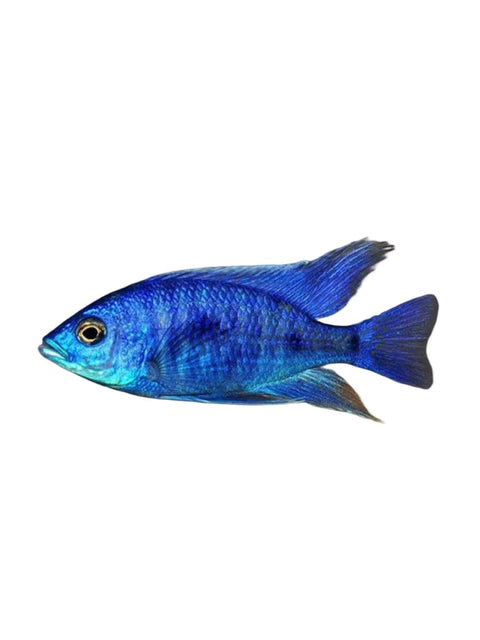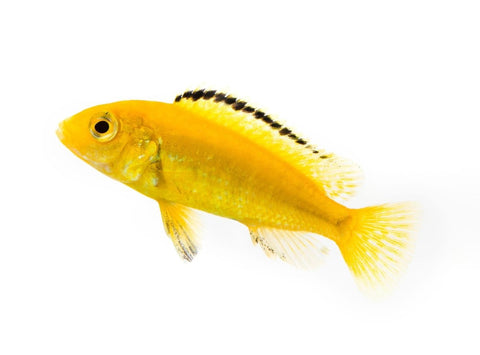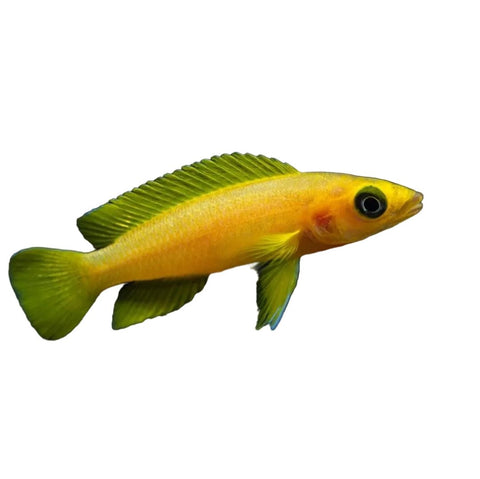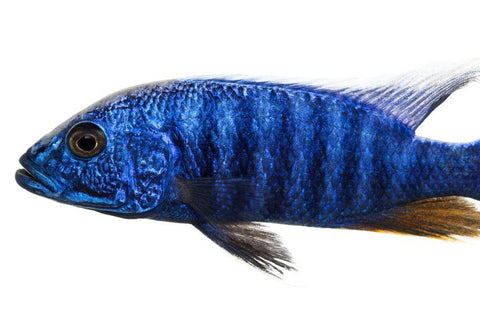
OB Peacock Cichlid
From $45.00
Choose grade

Every fish passes through our dedicated quarantine system and strict biosecurity monitoring before sale - so it arrives healthy, settled and ready to thrive. How we quarantine →
| Tasmania | NO |
| Western Australia | NO |
| Northern Territory | NO |
| All Other States | YES |
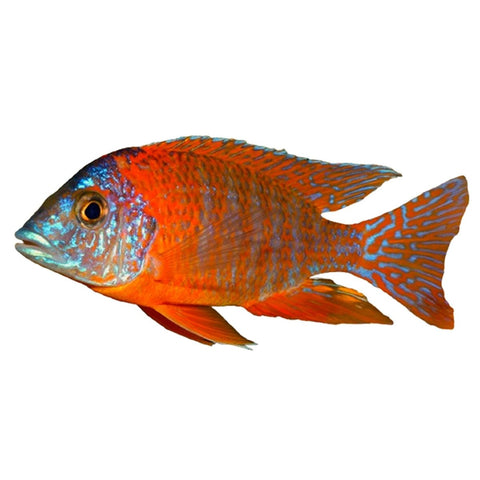
The Labeotropheus Trewavasae Chilumba, commonly sold as Chilumba Red, is a regional colour form of Labeotropheus trewavasae from the rocky shores around Chilumba, Lake Malawi. It is a classic Mbuna cichlid, recognised by its distinctive fleshy, downturned snout adapted for scraping algae from rocks.
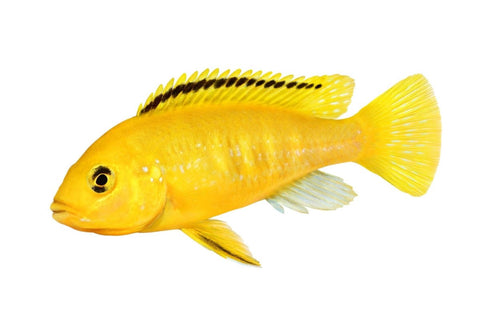
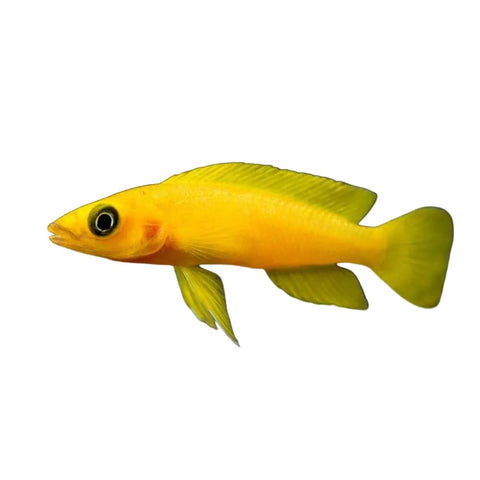
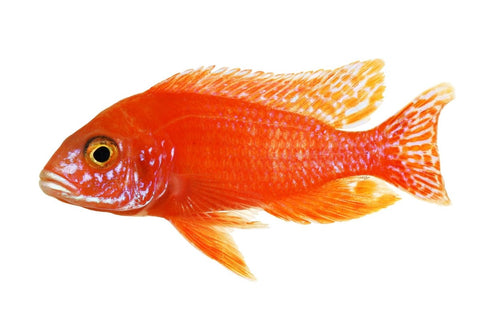
Males can develop intense orange, red, blue and rusty tones, while females may display orange-blotch (OB) patterns or more subdued orange colouration. The exact appearance can vary considerably between individuals and collection lines.
This is an active and territorial Mbuna that should be kept in a suitably sized Lake Malawi aquarium with plenty of rockwork, caves and visual barriers. Multiple females per male help spread breeding aggression.
Their natural diet consists largely of aufwuchs and algae scraped from rocks, so a predominantly vegetable-based diet is important in the aquarium.
They generally reach around 12–15 cm, with males typically larger than females.
Yes. They are a territorial Mbuna, with males becoming particularly aggressive when breeding. Plenty of rockwork and an appropriate stocking ratio help distribute aggression.
Use a quality spirulina-based flake or pellet as the staple diet. Algae-based foods and suitable vegetable matter can also be offered.
Yes, provided their tank mates are similarly robust and compatible Mbuna. Avoid mixing them with very peaceful fish that may be bullied.
Yes. Females are maternal mouthbrooders, carrying eggs and developing fry in their mouths.
A rocky Lake Malawi setup with numerous caves, territories and open swimming areas works very well. Use hard, alkaline water and strong filtration.
Livestock is dispatched with heat/cool packs and oxygen from our Melbourne facility, timed for the safest transit. Live arrivals may be scheduled for the best shipping window. A live arrival guarantee applies - contact us within the required window if anything is not right.
We stand behind everything we sell. If something is not right, get in touch and we will make it right. See our returns policy for the details.
This fish has been through our dedicated quarantine system and is feeding, settled and health-checked before sale. We still recommend acclimating slowly and quarantining new additions at home. Our team is happy to talk you through the right setup - just ask.
Choose grade