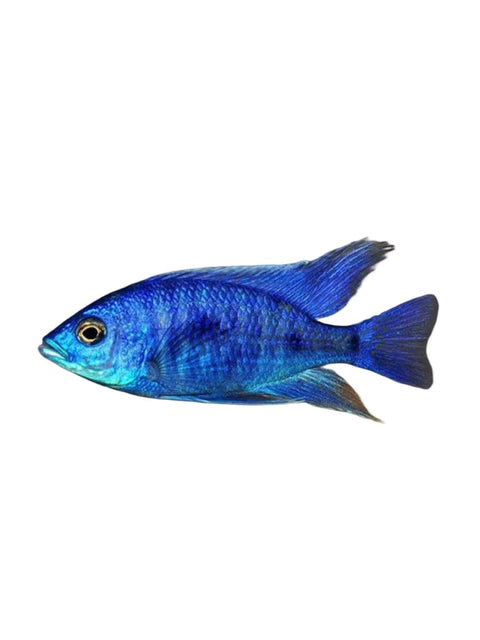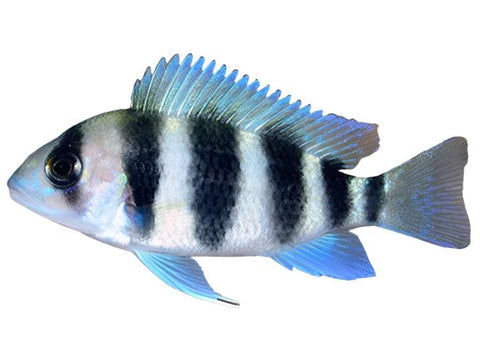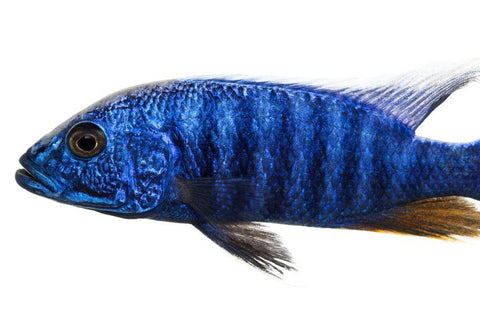
OB Peacock Cichlid
From $45.00
Choose grade

Every fish passes through our dedicated quarantine system and strict biosecurity monitoring before sale - so it arrives healthy, settled and ready to thrive. How we quarantine →
| Tasmania | NO |
| Western Australia | NO |
| Northern Territory | NO |
| All Other States | YES |
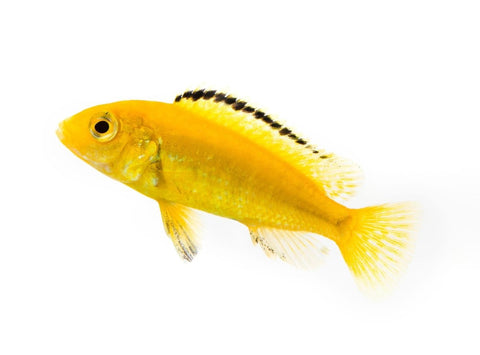
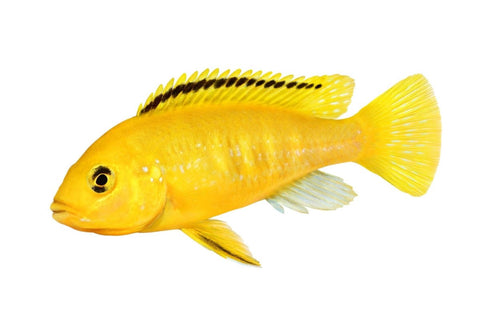
The Yellow Leleupi Cichlid is one of the most striking fish to emerge from Lake Tanganyika, instantly recognisable by its brilliant golden-yellow to deep orange body. Its vibrant colouration makes it a standout feature in any African cichlid aquarium, providing an incredible contrast against dark rockwork and other Tanganyikan species.
Native to the rocky shorelines of Lake Tanganyika, the Yellow Leleupi spends its time weaving through rock crevices and caves in search of small crustaceans and aquatic invertebrates. They are intelligent, inquisitive fish that quickly establish territories and become active members of the aquarium.
Although generally peaceful compared to many African cichlids, they can become territorial, particularly during breeding. They are best kept with other compatible Lake Tanganyika species in aquariums featuring stacked rockwork, caves, and open swimming areas. A varied diet of premium cichlid pellets, frozen mysis shrimp, brine shrimp, krill, and other quality foods will maintain their vivid colouration and excellent health.
Hardy, colourful, and full of personality, the Yellow Leleupi Cichlid is an excellent choice for both beginner and experienced African cichlid keepers.
Neolamprologus leleupi
Yellow Leleupi Cichlid
Lake Tanganyika, East Africa
10–12 cm
Semi-aggressive
Carnivore
120 Litres
24–27°C
7.8–9.0
10–25 dGH
Beginner to Intermediate
8–10 Years
Lake Tanganyika cichlid aquariums
They are moderately territorial, especially when breeding, but are generally less aggressive than many Lake Malawi cichlids. Plenty of rockwork helps reduce conflict.
Yes. They are excellent companions for species such as Julidochromis, Calvus, Compressiceps, Shell Dwellers, and other compatible Tanganyikan cichlids.
They thrive on premium African cichlid pellets, frozen mysis shrimp, brine shrimp, krill, insect larvae, and other protein-rich foods.
Yes. They are cave spawners and will readily breed in aquariums with suitable caves, stable water conditions, and a compatible pair.
Stress, poor water quality, bullying, or an inadequate diet can reduce their vibrant yellow colour. Stable water conditions and quality nutrition will help maintain their brilliance.
Caves and rocky structures provide territories, reduce aggression, and create ideal breeding sites.
Yellow Leleupis are best kept with other Lake Tanganyika species rather than Lake Malawi Mbuna.
They require hard, alkaline water to remain healthy and display their best colours.
A varied, protein-rich diet promotes vibrant colouration and long-term health.
Allow each fish adequate territory to minimise aggression and encourage natural behaviour.
Livestock is dispatched with heat/cool packs and oxygen from our Melbourne facility, timed for the safest transit. Live arrivals may be scheduled for the best shipping window. A live arrival guarantee applies - contact us within the required window if anything is not right.
We stand behind everything we sell. If something is not right, get in touch and we will make it right. See our returns policy for the details.
This fish has been through our dedicated quarantine system and is feeding, settled and health-checked before sale. We still recommend acclimating slowly and quarantining new additions at home. Our team is happy to talk you through the right setup - just ask.
Choose grade