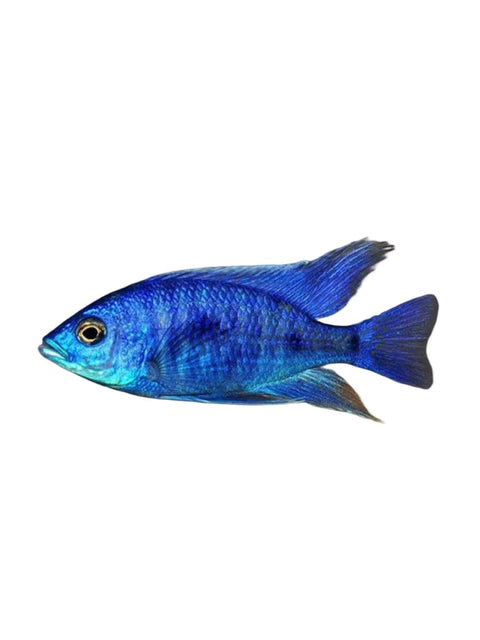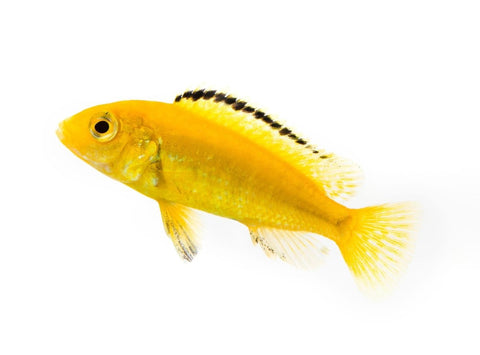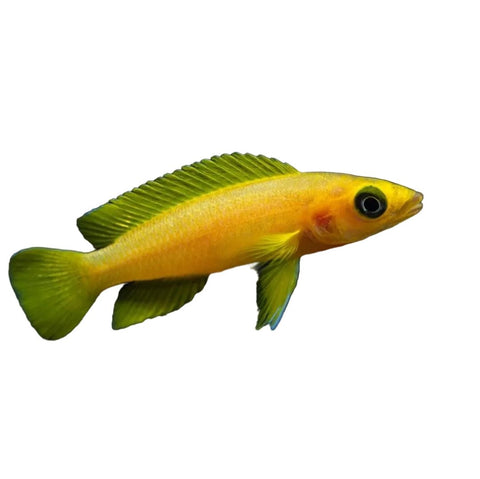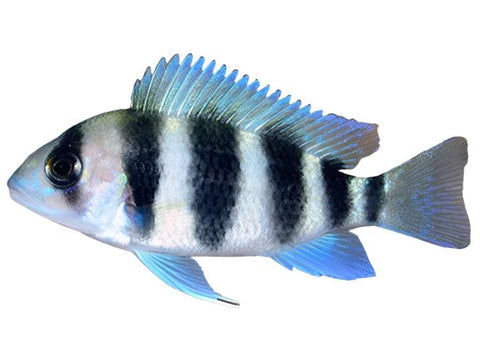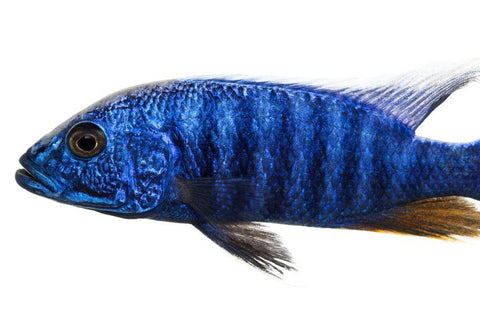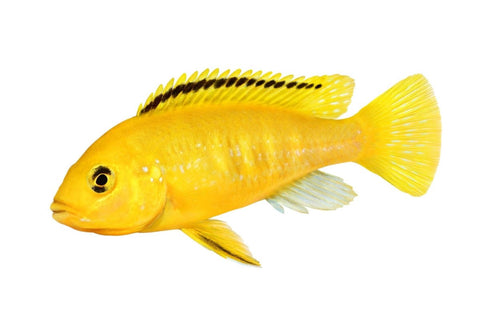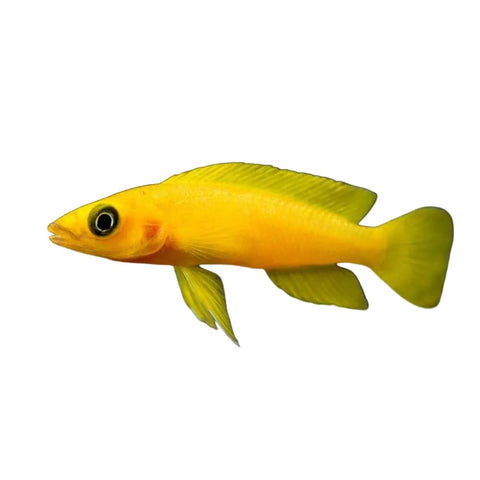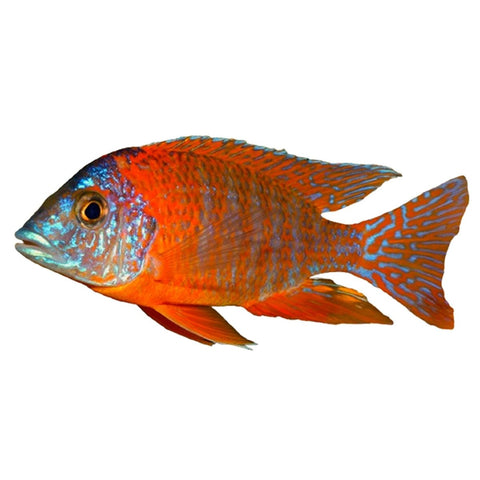
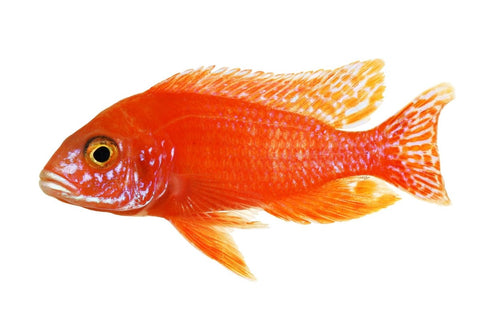
OB Peacock Cichlid
From $45.00
Choose grade

Every fish passes through our dedicated quarantine system and strict biosecurity monitoring before sale - so it arrives healthy, settled and ready to thrive. How we quarantine →
| Tasmania | NO |
| Western Australia | NO |
| Northern Territory | NO |
| All Other States | YES |
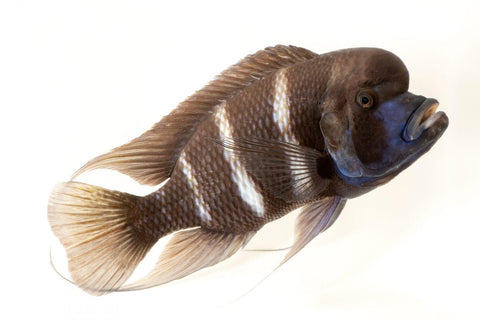
The Livingstoni Cichlid, also known as the Livingston's Hap or Livingstonii, is one of Lake Malawi's most fascinating predatory cichlids. Famous for its distinctive giraffe-like blotched pattern and unique hunting behaviour, this impressive species is a true centrepiece fish for large African cichlid aquariums.
Native to the sandy and rocky shorelines of Lake Malawi, the Livingstoni Cichlid is an ambush predator that is well known for "playing dead." It lies motionless on the substrate until curious fish approach, before quickly striking its prey. While this behaviour is rarely seen in aquariums, it has made the species one of the most well-known predatory cichlids in the hobby.
Males develop spectacular blue coloration on the head and face as they mature, contrasting beautifully against their cream, brown, and black mottled body pattern. They thrive in spacious aquariums with rocky caves, open sand areas, and excellent filtration.
Due to their size and predatory nature, Livingstoni Cichlids should only be housed with other large, robust Lake Malawi cichlids. A high-quality diet of premium cichlid pellets, krill, mysis shrimp, and other protein-rich foods will help maintain their colour and condition.
Nimbochromis livingstonii
Livingstoni Cichlid
Lake Malawi, East Africa
20–25 cm
Semi-aggressive
Carnivore
400 Litres
24–28°C
7.8–8.6
10–25 dGH
Intermediate
8–12 Years
Large Lake Malawi cichlid aquariums
The species is named after the famous explorer Dr. David Livingstone and is recognised for its distinctive giraffe-like markings.
They are moderately aggressive and predatory. They are best kept with other similarly sized African cichlids and should not be housed with small fish.
They thrive on high-quality carnivorous cichlid pellets, frozen mysis shrimp, krill, prawns, and other protein-rich foods.
In the wild, this species sometimes mimics a dead fish to lure unsuspecting prey closer before launching a surprise attack. This fascinating behaviour is known as thanatosis and is one of the most unique hunting strategies among African cichlids.
Large Peacock Cichlids may coexist in spacious aquariums, but smaller Peacocks can be intimidated or viewed as prey. They are generally better suited to larger Haplochromine communities.
Livingstoni Cichlids are natural predators and will eventually eat tank mates that fit into their mouths.
Their adult size and active nature require a large aquarium with plenty of open swimming space.
Rocky caves and sandy areas closely replicate their natural habitat and reduce stress.
A varied, high-quality carnivorous diet promotes healthy growth and vibrant breeding colours.
Excellent filtration, regular maintenance, and stable alkaline water are essential for long-term health.
Livestock is dispatched with heat/cool packs and oxygen from our Melbourne facility, timed for the safest transit. Live arrivals may be scheduled for the best shipping window. A live arrival guarantee applies - contact us within the required window if anything is not right.
We stand behind everything we sell. If something is not right, get in touch and we will make it right. See our returns policy for the details.
This fish has been through our dedicated quarantine system and is feeding, settled and health-checked before sale. We still recommend acclimating slowly and quarantining new additions at home. Our team is happy to talk you through the right setup - just ask.
Choose grade