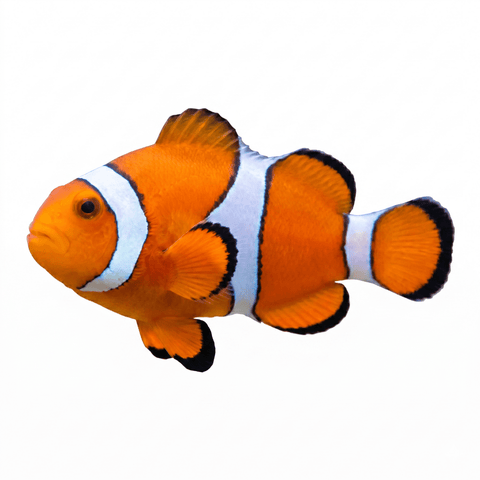
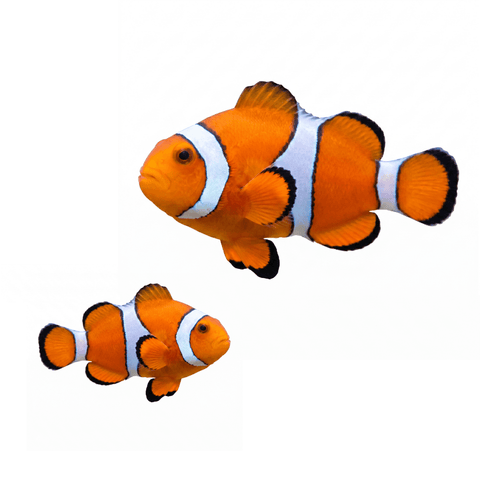
Orange Ocellaris Clown
From $35.00
Choose size

Every fish passes through our dedicated quarantine system and strict biosecurity monitoring before sale - so it arrives healthy, settled and ready to thrive. How we quarantine →
| Tasmania | YES |
| Western Australia | YES |
| Northern Territory | NO |
| All Other States | YES |
The Scopas Tang (Zebrasoma scopas), also known as the Brown Scopas Tang or Twotone Tang, is a hardy and adaptable marine surgeonfish popular among reef aquarists for its distinctive appearance, active swimming behaviour and valuable algae-grazing habits.
Unlike some of the more brightly coloured tang species, the Scopas Tang displays a beautiful combination of earthy brown, olive, yellow and darker markings. Its colouration can vary considerably depending on age, geographical origin and individual variation. Some specimens display lighter yellow-brown bodies, while others develop deeper chocolate and charcoal tones.
Its laterally compressed body, pointed snout and characteristic sail-like dorsal and anal fins give it the familiar appearance of the Zebrasoma genus.
Natural Habitat and Appearance
Scopas Tangs are widely distributed throughout the Indo-Pacific, inhabiting tropical coral reefs, lagoons and rocky reef slopes.
They are commonly found grazing on algae growing across reef surfaces, rocks and coral rubble. Their naturally active feeding behaviour makes them valuable algae consumers in established marine aquariums.
Juveniles can display lighter yellow and brown colouration, with their appearance gradually developing into the more muted brown and olive tones associated with adults.
Like other surgeonfish, the Scopas Tang has a sharp defensive spine on either side of its caudal peduncle, which it uses when threatened. Care should be taken when handling or transporting this species.
Behaviour and Temperament
The Scopas Tang is an active, confident swimmer that spends much of its day grazing across live rock and aquarium surfaces.
It is generally considered semi-aggressive and can become territorial, particularly towards other surgeonfish or fish with similar body shapes.
Although it can coexist with a wide range of marine species, introducing multiple tangs requires careful planning. Adequate swimming space, suitable rockwork and a carefully considered introduction order can help reduce aggression.
Aquarium Suitability and Compatibility
Scopas Tangs are best suited to established marine aquariums with plenty of open swimming space and mature live rock.
They are compatible with many common reef fish, including clownfish, wrasses, gobies, blennies, anthias and suitable angelfish.
They are particularly useful in aquariums where natural algae growth needs to be controlled. However, they should not be relied upon as the sole solution to algae problems.
A spacious aquarium with good water movement, strong filtration and plenty of grazing surfaces will help maintain healthy behaviour and body condition.
Reef Compatibility
The Scopas Tang is considered reef safe and is generally compatible with SPS, LPS and soft corals.
Its primary diet consists of algae and other plant material, so it typically leaves healthy coral tissue alone. It may occasionally consume desirable algae or macroalgae growing within a reef aquarium.
Feeding and Nutrition
Scopas Tangs are primarily herbivorous grazers and require a diet rich in marine algae and vegetable matter.
Suitable foods include:
Nori and dried marine algae.
Spirulina-based foods.
Marine herbivore pellets.
Algae-based flakes.
Blanched vegetables in moderation.
Occasional mysis shrimp and other meaty foods as dietary variety.
Offer marine algae regularly, preferably with access to grazing throughout the day. A varied, plant-rich diet is important for maintaining good body condition, digestive health and vibrant colouration.
Specific Care Requirements
The Scopas Tang is generally considered one of the more adaptable Zebrasoma species, making it a suitable option for aquarists with some marine experience.
It requires stable water parameters, excellent oxygenation, strong filtration and sufficient swimming space. Good water quality is particularly important for maintaining healthy skin and reducing susceptibility to common marine fish diseases.
Provide plenty of live rock and open swimming areas, allowing the fish to graze naturally while remaining active.
With suitable aquarium space, consistent algae-based nutrition and compatible tankmates, the Scopas Tang can become a long-term and valuable addition to a marine aquarium.
|
Care Requirement |
Details |
|---|---|
|
Scientific Name |
Zebrasoma scopas |
|
Common Names |
Scopas Tang, Brown Tang, Twotone Tang |
|
Family |
Acanthuridae |
|
Origin |
Indo-Pacific, including Australia |
|
Care Level |
Moderate |
|
Adult Size |
Approximately 20–22 cm |
|
Minimum Aquarium Size |
450 litres recommended |
|
Temperature |
24–27°C |
|
pH |
8.1–8.4 |
|
Salinity |
1.023–1.026 SG |
|
Diet |
Herbivore |
|
Feeding Frequency |
2–3 times daily |
|
Temperament |
Semi-aggressive |
|
Swimming Level |
Middle and open water |
|
Reef Compatibility |
Reef Safe |
|
Aquarium Type |
Marine fish-only and reef aquariums |
|
Lifespan |
10–15+ years with appropriate care |
1. Is the Scopas Tang reef safe?
Yes. Scopas Tangs are considered reef safe and generally leave corals and ornamental invertebrates alone. Their primary diet consists of algae and other marine plant material.
2. How big does a Scopas Tang grow?
It commonly reaches approximately 20–22 cm, although larger specimens have been recorded. Provide plenty of swimming space for its adult size.
3. What does a Scopas Tang eat?
It is primarily herbivorous. Feed marine algae, nori, spirulina-based foods and quality herbivore pellets. Occasional meaty foods can supplement its diet.
4. Can Scopas Tangs be kept with other tangs?
They can be territorial towards other surgeonfish, particularly similar-looking Zebrasoma species. Keeping one per aquarium is generally the safest approach unless maintaining a carefully planned group in a very large system.
5. Will a Scopas Tang eat nuisance algae?
Yes. It actively grazes on naturally growing algae across live rock and aquarium surfaces. It can help control certain algae types but should not be considered a complete solution to algae problems.
6. Is the Scopas Tang suitable for beginners?
It is relatively hardy compared with some other tang species, but its adult size, swimming requirements and territorial behaviour make it more suitable for aquarists with some marine experience.
1. Keeping it in an undersized aquarium: Scopas Tangs are active swimmers that grow considerably larger than many aquarists expect. Provide sufficient swimming space from the beginning.
2. Not providing enough algae in its diet: A predominantly meaty diet is unsuitable. Offer marine algae and nori regularly to support long-term health.
3. Keeping multiple tangs in a small aquarium: Scopas Tangs can become highly territorial towards other surgeonfish. Carefully consider compatibility and aquarium size.
4. Relying entirely on natural aquarium algae: Even established reef aquariums may not produce enough natural algae to meet its nutritional requirements. Supplement with prepared herbivore foods.
5. Ignoring the caudal spine: Scopas Tangs have sharp retractable defensive spines near the tail. Take care when handling or transferring the fish.
6. Introducing it into an unstable aquarium: Maintain excellent water quality, strong oxygenation and stable salinity. Tangs can be susceptible to marine diseases, particularly when stressed.
Livestock is dispatched with heat/cool packs and oxygen from our Melbourne facility, timed for the safest transit. Live arrivals may be scheduled for the best shipping window. A live arrival guarantee applies - contact us within the required window if anything is not right.
We stand behind everything we sell. If something is not right, get in touch and we will make it right. See our returns policy for the details.
This fish has been through our dedicated quarantine system and is feeding, settled and health-checked before sale. We still recommend acclimating slowly and quarantining new additions at home. Our team is happy to talk you through the right setup - just ask.
Choose size