OB Peacock Cichlid
From $45.00
Choose grade

Every fish passes through our dedicated quarantine system and strict biosecurity monitoring before sale - so it arrives healthy, settled and ready to thrive. How we quarantine →
| Tasmania | NO |
| Western Australia | NO |
| Northern Territory | NO |
| All Other States | YES |
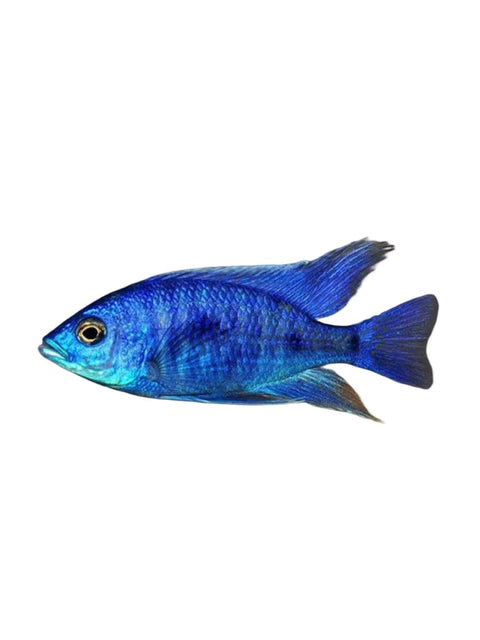
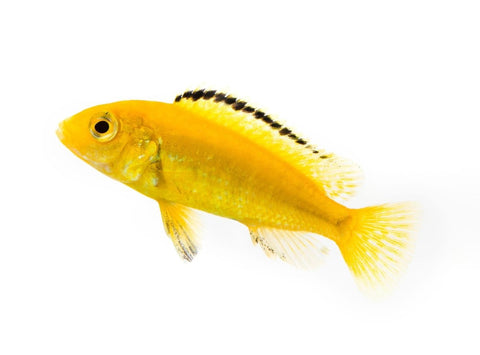
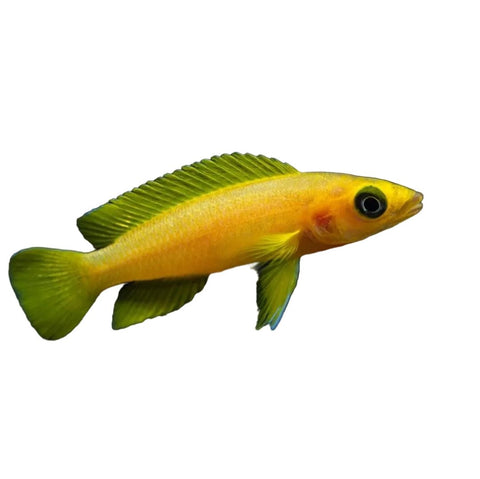
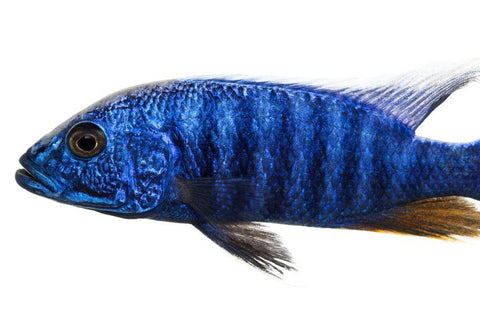
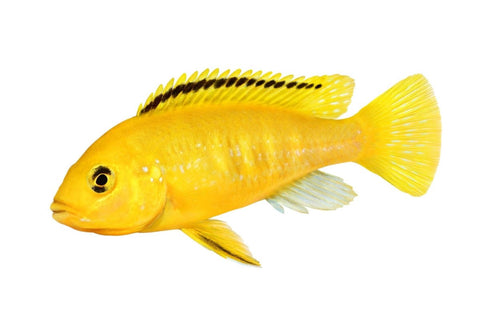
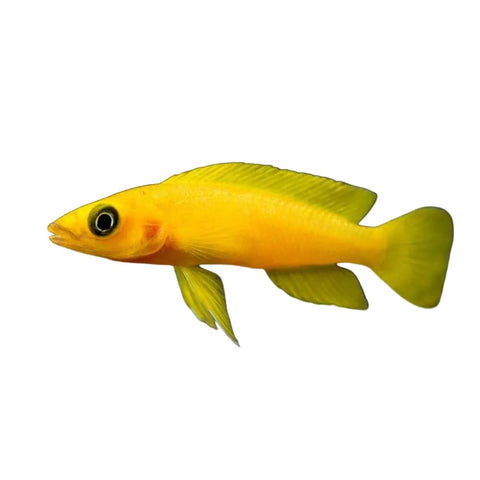
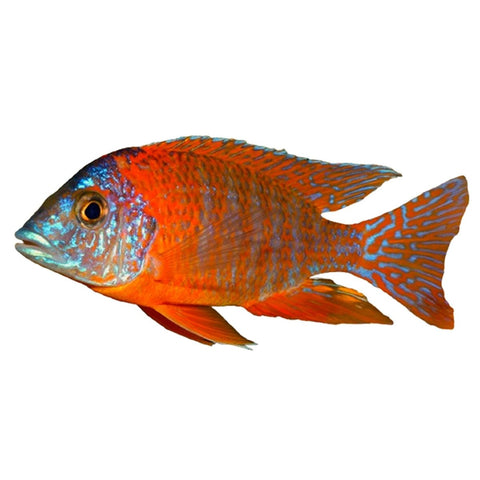
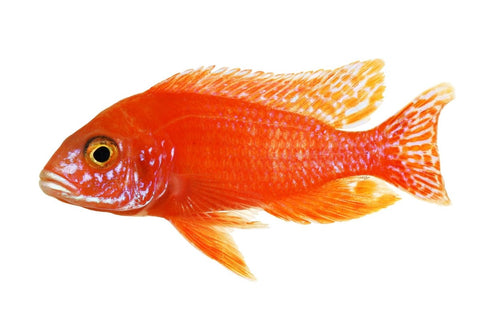
Petrotilapia (Petrotilapia spp.) are striking African cichlids from the rocky shorelines of Lake Malawi. Renowned for their vibrant colours, bold personalities and active grazing behaviour, these mbuna cichlids are a favourite among experienced African cichlid enthusiasts. Depending on the species, males can develop brilliant shades of electric blue, yellow or orange, while females are often more subdued in colour.
Highly active and territorial, Petrotilapia thrive in rocky aquariums that mimic their natural habitat. They spend much of their day grazing algae from rocks and defending territories, making them fascinating fish to observe. They are best kept in species-only or African cichlid community aquariums alongside other robust mbuna of similar size and temperament.
A spacious aquarium with extensive rockwork, caves and strong filtration is essential. A diet rich in spirulina, algae-based pellets and vegetable matter helps maintain their health, as excessive high-protein foods can contribute to digestive issues such as Malawi bloat.
For aquarists seeking colourful, energetic and character-filled African cichlids, Petrotilapia are an exceptional addition to a dedicated Lake Malawi aquarium.
Petrotilapia spp.
Petrotilapia
Lake Malawi, East Africa
15–20 cm (species dependent)
Aggressive, Territorial
Herbivore
400 Litres
24–28°C
7.8–8.6
10–20 dGH
Intermediate to Advanced
8–12 Years
African cichlid aquariums, Lake Malawi biotopes and experienced aquarists
Petrotilapia are best suited to aquarists with some experience keeping African cichlids. Their territorial behaviour and specialised dietary needs require careful management.
Yes. They do best with other robust Lake Malawi mbuna species of similar size and temperament. Avoid peaceful community fish and slow-moving species.
They are primarily herbivores and should be fed spirulina flakes, algae wafers and high-quality vegetable-based cichlid pellets. Occasional treats are acceptable, but high-protein diets should be avoided.
Most species reach between 15 and 20 cm as adults, although exact size depends on the species and aquarium conditions.
Yes. Like many mbuna cichlids, they are maternal mouthbrooders. Females incubate fertilised eggs in their mouths until the fry are ready to swim freely.
Absolutely. Rockwork provides territories, grazing surfaces and shelter, helping reduce aggression and replicate their natural habitat.
Petrotilapia require large aquariums with plenty of swimming space and territories. Small tanks often result in excessive aggression.
A diet high in animal protein can contribute to digestive problems, including Malawi bloat. Focus on vegetable-based foods.
Insufficient hiding places increase stress and aggression. Build stable rock formations with numerous caves and crevices.
Petrotilapia are aggressive mbuna and should not be housed with community fish or timid species.
African cichlid tanks produce significant waste. Strong filtration and regular water changes are essential.
They require hard, alkaline water. Maintaining stable Lake Malawi water parameters is important for long-term health.
Livestock is dispatched with heat/cool packs and oxygen from our Melbourne facility, timed for the safest transit. Live arrivals may be scheduled for the best shipping window. A live arrival guarantee applies - contact us within the required window if anything is not right.
We stand behind everything we sell. If something is not right, get in touch and we will make it right. See our returns policy for the details.
This fish has been through our dedicated quarantine system and is feeding, settled and health-checked before sale. We still recommend acclimating slowly and quarantining new additions at home. Our team is happy to talk you through the right setup - just ask.
Choose grade